
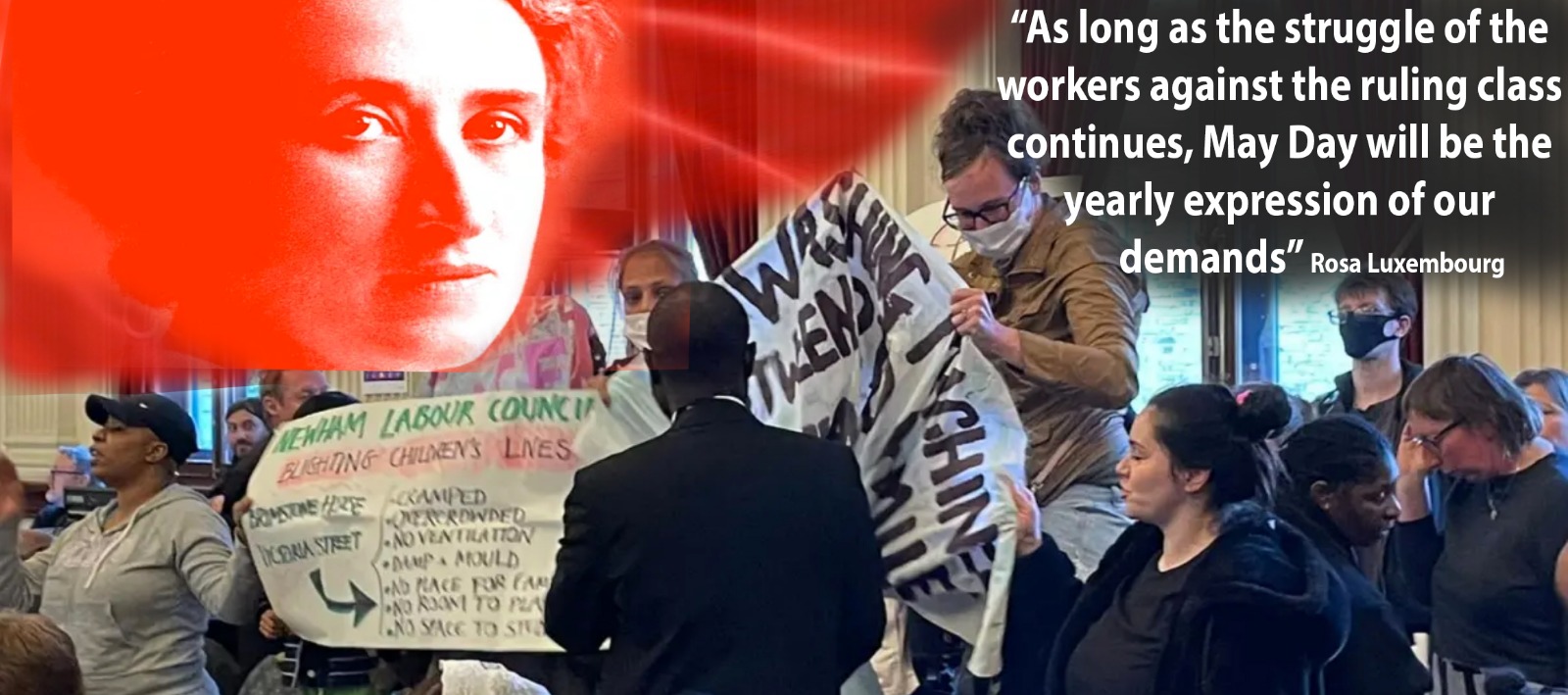
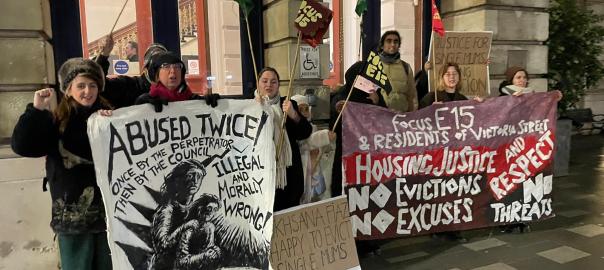
A home is more than just four walls – it’s a place of safety, stability, and joy. But a lot of women can’t find a decent, secure place to live. From domestic violence to economic inequality, women are disproportionately affected by precarious housing, evictions, and homelessness. Local councils are letting families down, shoving them into unsafe, overcrowded, and uninhabitable temporary accommodations. And mothers are forced to raise their children in places no one should be expected to live.
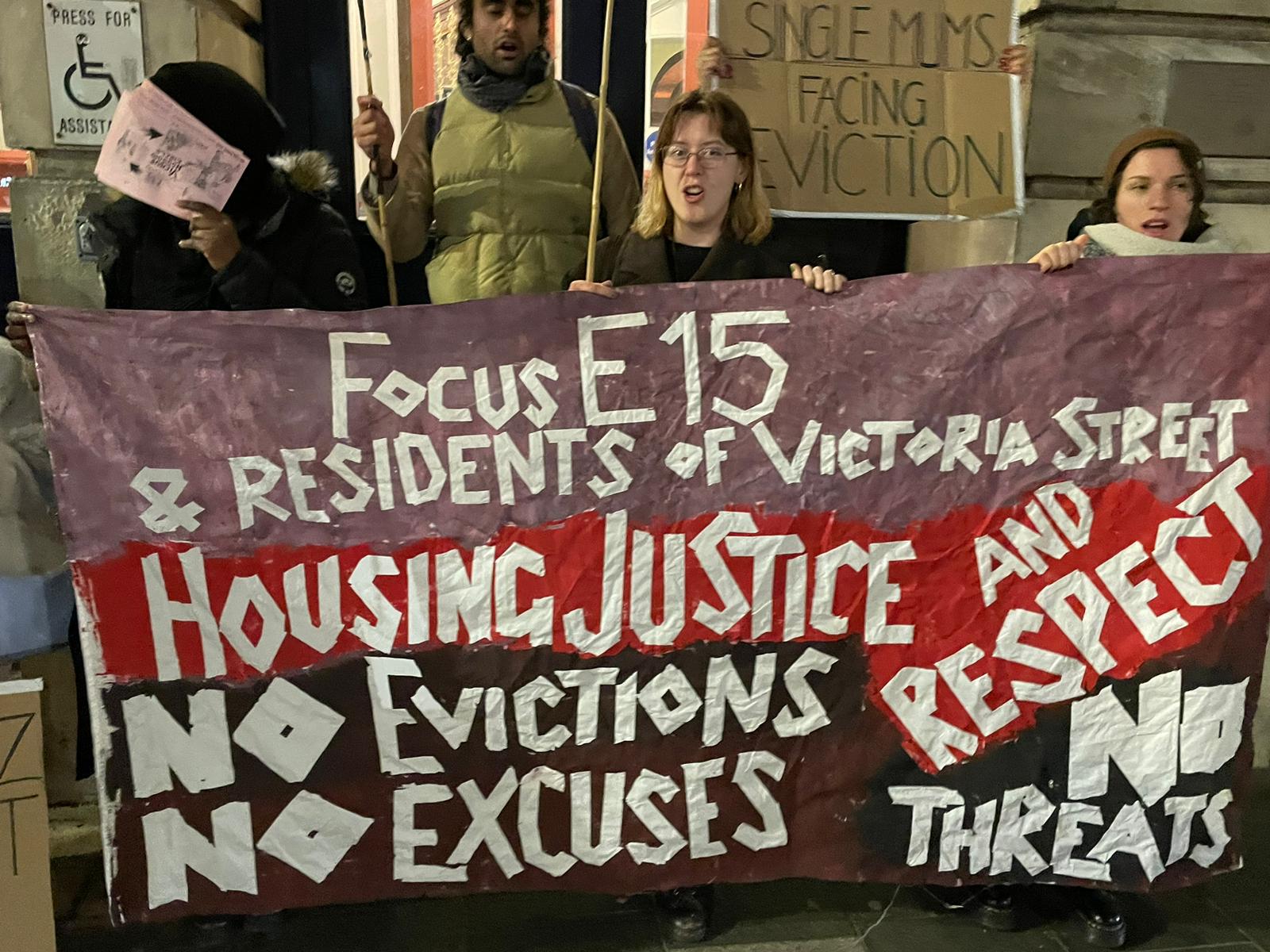
At Focus E15, we fight for housing justice because everyone deserves a safe, secure, and permanent home.
Why is housing a feminist issue?
1. Women face higher risks of homelessness and housing precarity
Women, especially single moms, abuse survivors, and migrants, are way more likely to end up without a home or living in sketchy housing. They’re the first to get hit when social housing and benefits get slashed.
2. Domestic violence is the leading cause of women’s homelessness
Domestic violence is a major reason why women become homeless. Housing policies often fail to offer safe and stable options, forcing women to choose between staying in an abusive situation or being left without a home.
3. The housing system is built on gendered economic inequality
The gender pay gap and the lack of affordable childcare push many women into precarious jobs, making it harder to afford stable housing. Women are also more likely to have insecure rental contracts, be pushed into informal housing situations, or experience discrimination when seeking a home.
4. Women in temporary accommodation are trapped in permanent uncertainty
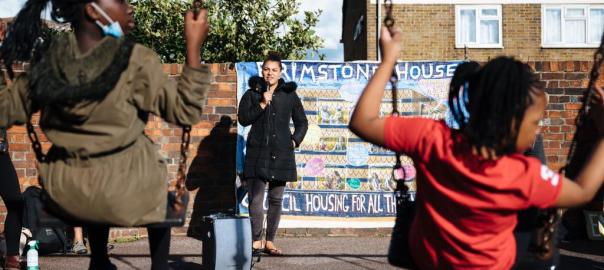
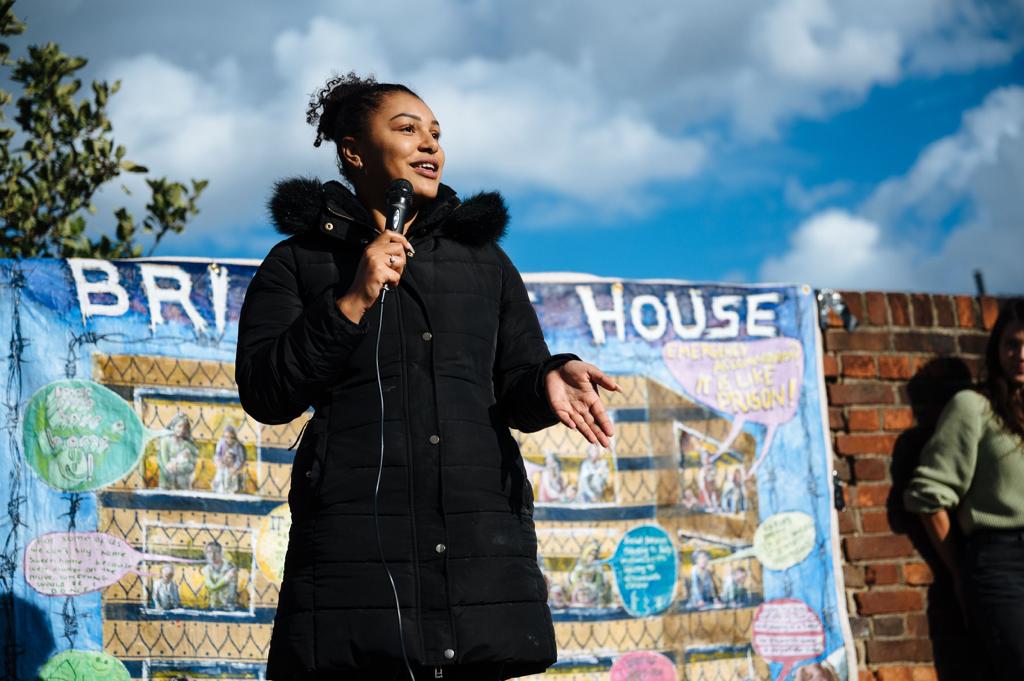
Councils and landlords ignore urgent repairs, leaving families in homes with damp, mold, and pests. Parents have to watch as their kids get sick while the authorities make excuses and delay fixing things. The hotels, hostels, and shelters often don’t have privacy, safety, or stability. Many of them aren’t even suitable for families. Women have to deal with harassment, overcrowding, and having their freedom restricted. Mothers are forced to endure terrible conditions daily just because those in power refuse to act.
5. Women’s struggles for housing justice shape resistance
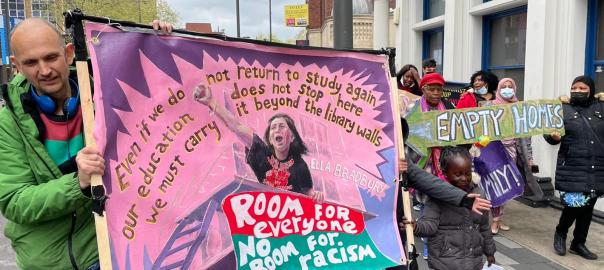
And yet, women have played a vital role in global housing struggles—from the Glasgow Rent Strikes in 1915 to contemporary feminist movements worldwide. Women have long fought for their housing rights, creating mutual aid networks and building feminist infrastructures. And we’ll do it again.
What can we do?
· EDUCATE – Know your rights. Speak to housing support groups and campaigns.
· ORGANISE – Connect with other women facing similar challenges. Build collective power to demand change.
· AGITATE – Take action! Join protests, challenge unjust housing policies, and fight for long-term homes.
A feminist approach to housing means recognising that secure homes are essential for dignity, equality, and freedom for all.
Join the fight with Focus E15 Campaign.
What to join our next housing action? Email:
focuse15london (at) gmail (dot) com
You can also follow the campaign on social media:
- Facebook page
- Tweet @FocusE15










 Focus E15 Campaign